All Categories
Featured
Table of Contents
AI-generated answers appear like a direct danger to the standard natural traffic websites utilized to get from search engines. Today, LLMs just rip the material on sites and people no longer need to visit a website anymore.
While I personally think this hazard is blown completely out of proportion (based upon information from websites I have actually personally seen), I don't think it's a reason to neglect it totally. From my own experience growing both blog sites and YouTube channels, specifically to offer something, I can tell you that video converts way more than written material.
And the viewer can choose up on more subtleties in your message. It's a lot easier to inform if somebody is lying or filled with it if you can see their facial expressions and their intonation. So YouTube needs to definitely be in your SEO and content strategy. Usage video as demand generation and a method to construct trust with an audience.
And because you have built the trust with video, your conventional SEO efforts will convert better. However there's much more to it. Previously this year, I had a hunch that if I turned some of my finest ranking blog site posts into YouTube videos, and embedded them into my existing article, my article would rank even much better.
I made a YouTube video about the topic, embedded it into that blog site post, and I've been ranking # 1 given that.
What Agencies Utilize Predictive Search Strategies
In 2025, we saw everyone talking about how AI search was going to take over Google. Beyond just SEO, the marketing community as an entire started to get bombarded with influencers trying to ride the AI buzz train.
It ended up being hard to discover trusted sources that weren't biased or had a concealed agenda to sell us something. While I do think there are advantages to using LLMs in our workflows, I do believe it has actually been overhyped. And in 2026, I forecast lots of online marketers will realize that ChatGPT and Perplexity are simply a small part of the SEO market.
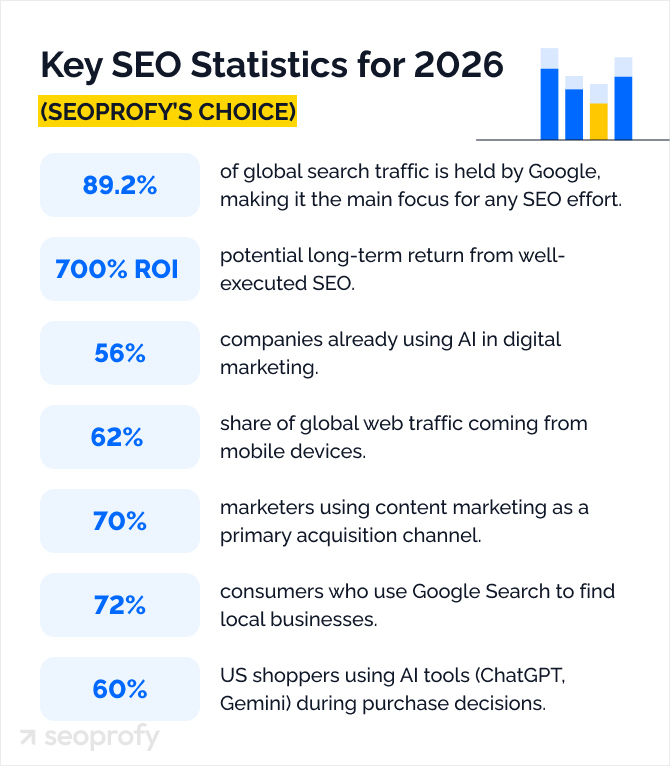
Google still controls 90% market share and with its AI Mode and AI Overviews, it's in the best position to win the AI online search engine race. Browse behavior hasn't basically shifted far from Google. Beyond just that, there are a few things that have rubbed me the wrong method about the AI SEO pattern.
What Experts Adopt Predictive SEO Insights
What these online marketers do not recognize is that Things like homepages, pricing pages, or bottom of funnel material, tends to be shown in ChatGPT. The informative top of funnel material is "consumed up" by LLMs and shown to users without anywhere to click.
If you were to take that very same principle over to Google, you would see the very same conversion rates. Google's conversion rates show less since the traffic is greater due to it being diluted by all the top of funnel content that is in the equation. Other things like how ChatGPT can make stuff up, it never ever totally follows triggers properly (i.e.
I do still think that bigger companies will reserve an experimental spending plan to check things like ChatGPT apps and other AI SEO tools. In 2026, I forecast people will recognize enhancing for Google will allow them to reveal up in ChatGPT and Perplexity. Just look at ChatGPT Atlas or Perplexity's Comet web browsers.
Using Neural Systems to Refine Content Reach
These tactics might work now in ChatGPT and other LLMs, but they're short-term plays that will eventually get penalized. Focus on white hat methods that build genuine authority and trust over time rather of chasing quick wins that won't last.
ChatGPT and other LLM algorithms are not as mature. I can't name this individual, but I satisfied an SEO director at a big banking business.
And from there, they are using their main company domain, that has an extremely strong brand name authority, and sending out backlinks to the microsite. And this has actually resulted in higher rankings for their brand in LLMs like ChatGPT.It blew my mind that huge, respectable business are doing this. And I recognized how much black hat (or grey hat) techniques are going on behind the scenes.
In 2026, I forecast these tactics will continue to happen. Up until ChatGPT's algorithm gets as smart as Google's search algorithm.
Share real insights, utilize your own images and videos, and construct topical authority in your niche. This is how solo developers and small groups can beat big brand names in 2026. This is one of the biggest SEO patterns for content marketing I'm seeing right now.
Boosting Organic Visibility Using Modern AEO Tactics
You need a genuine service, be it a newsletter organization, a service-based service, SaaS company, or ecommerce shop. And after that you include on this human-centered niche blogging to the website to naturally grow your core product/service offering. In 2026, I anticipate that Google's algorithm will continue to get smarter about which websites contain AI content and which don't.
In truth, I understand lots of people silently crushing it with AI created material (even pursuing top of funnel keywords). However what I am saying is that engaging, human content will outrank AI generated content without any original insights. There are two paths I see with SEO's right now: Produce thousands of AI-generated article and get them to rank in the middle/bottom of page 1.
Produce a hundred human blog site posts and get them to rank at the top of the very first page. And anyone who composes better human content will rank greater in positions 1-3. The second path is slower, however can yield greater ranking positions and more trust with readers.

Latest Posts
Improving Organic Visibility Using Advanced GEO Tactics
Effective Sales Enablement Strategies for Close More Deals
Is Your Content Prepared for AI Search Shifts?